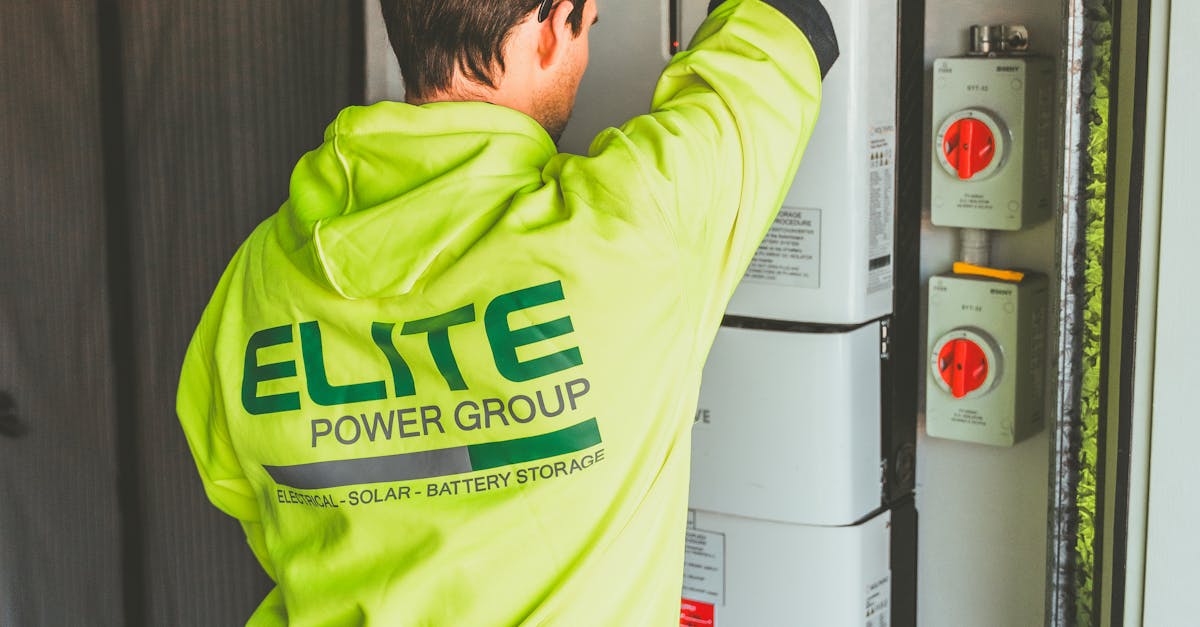
Overview of Australian Compliance Standards for Electricians
Table Of Contents
Risk Management Practices in Electrical Work
Electrical work inherently involves various risks that require careful management. Identifying potential hazards stems from thorough assessments, requiring electricians to evaluate their working environment meticulously. Regular inspections and risk assessments allow professionals to pinpoint areas of concern. Understanding factors such as equipment condition, worksite safety, and weather conditions plays a crucial role in preventing accidents.
To effectively mitigate risks, electricians employ a range of strategies and safety protocols. The use of personal protective equipment (PPE) is essential in safeguarding workers against electrical injuries. Implementing lockout/tagout procedures ensures that machinery is deactivated when maintenance is performed. Moreover, ongoing training and adherence to established safety guidelines are fundamental in fostering a culture of safety within the industry, promoting both the wellbeing of workers and compliance with local regulations.
Identifying and Mitigating Electrical Hazards
Electricians must be vigilant in recognising potential electrical hazards that can pose risks to both themselves and others. Common hazards include exposed wiring, overloaded circuits, and faulty equipment. It is essential for professionals to conduct thorough inspections and assessments of electrical systems. Implementing regular maintenance schedules plays a crucial role in identifying issues before they escalate into dangerous situations. Awareness of environmental factors, such as moisture or flammable materials nearby, is also vital in hazard identification.
Once hazards are recognised, mitigating strategies should be employed to ensure safety. This may involve the use of personal protective equipment (PPE) to safeguard workers from electric shocks and burns. Installing safety devices, such as circuit breakers and ground fault circuit interrupters, can prevent accidents. Continuous education and training on updated safety protocols enable electricians to adapt to new technologies and methods. Documenting and reporting any identified hazards assists in maintaining a safe work environment.
Technical Competency Standards
Electricians in Australia must meet specific technical competency standards to ensure the safety and reliability of electrical installations and services. These standards are outlined in the Australian Qualifications Framework (AQF). They provide a structured pathway for individuals entering the profession, highlighting essential skills in areas such as electrical theory, circuit design, and installation practices. Recognising the importance of ongoing education, these standards require electricians to engage in continuing professional development throughout their careers.
In addition to foundational skills, specialised competencies are also vital. These include competencies related to renewable energy technologies, fault diagnosis, and advanced electrical systems. Electricians are expected to be proficient not only in traditional electrical work but also in adapting to new technologies and practices that emerge in the evolving energy landscape. Adherence to these competencies ensures that electricians can deliver high-quality services that comply with regulatory requirements and industry best practices.
Skills and Knowledge Required by Electricians
Electricians must possess a detailed understanding of electrical systems, circuitry, and intricate wiring designs. Knowledge of the National Electrical Code and local regulations is crucial for ensuring safety and compliance. They should also be familiar with the latest technology, including smart home systems and renewable energy solutions. Furthermore, staying updated on industry trends and emerging technologies is essential for professional growth.
Practical skills are equally important for electricians. Proficiency in using various hand tools and testing equipment is necessary for performing installations and maintenance effectively. Problem-solving abilities play a vital role when diagnosing issues in electrical systems. Strong communication skills aid in explaining technical concepts to clients clearly while ensuring that project requirements are met efficiently. Advancements in technology also necessitate ongoing training and certification to maintain competence in the evolving electrical landscape.
Environmental Compliance Standards
Electricians in Australia must adhere to various environmental compliance standards that ensure their practices do not harm the environment. These regulations encompass waste management protocols, including the proper disposal of electrical components and materials to prevent pollutants from entering land and water systems. The use of eco-friendly materials and techniques during installation further supports sustainability objectives. Compliance with these standards not only contributes to environmental protection but also enhances the overall reputation of electricians and their services.
Incorporating sustainability practices into electrical services is becoming increasingly important. Electricians are encouraged to adopt energy-efficient technologies in their work, promoting the use of renewable energy sources such as solar. The integration of smart technologies in electrical systems also aids in reducing energy consumption. By prioritising environmental compliance, electricians can offer clients solutions that are both effective and conscious of their ecological footprint, aligning with broader efforts to address climate change challenges in Australia.
Sustainability Practices for Electrical Services
The integration of sustainability practices in electrical services focuses on reducing environmental impact while ensuring efficiency and reliability. Electricians are increasingly adopting energy-efficient technologies and materials, which help in lowering energy consumption across residential and commercial settings. This includes the installation of LED lighting, smart metering systems, and renewable energy solutions such as solar photovoltaic panels. Promoting energy efficiency not only benefits the environment but also enhances the financial viability of electrical projects.
Compliance with environmental standards is vital for electricians aiming to adopt sustainable practices in their work. This involves staying updated with the latest regulations and guidelines set forth by local and national bodies. Electricians often engage in continuous education and training, ensuring they are equipped with the necessary skills to implement eco-friendly solutions effectively. Additionally, proper waste management and recycling of materials during electrical installations play a critical role in promoting sustainability within the industry.
FAQS
What are compliance standards for electricians in Australia?
Compliance standards for electricians in Australia are regulations and guidelines that ensure electrical work is carried out safely, competently, and in accordance with legal requirements. They cover aspects such as risk management, technical competency, and environmental practices.
How do electricians identify and mitigate electrical hazards?
Electricians identify and mitigate electrical hazards through thorough risk assessments, regular inspections, and adhering to safety protocols. This includes evaluating the work environment, using appropriate protective equipment, and implementing safety measures to prevent accidents.
What technical competency standards must electricians meet in Australia?
Electricians in Australia must meet specific technical competency standards that include a range of skills and knowledge related to electrical systems, safety practices, and the installation and maintenance of electrical equipment. These standards are often outlined in national training packages and licensing requirements.
What sustainability practices should electricians follow?
Electricians should follow sustainability practices that promote energy efficiency and reduce environmental impact. This includes utilising energy-efficient technologies, recycling materials, and implementing practices that minimise waste during electrical installations and maintenance.
How can I ensure my electrical work complies with Australian standards?
To ensure compliance with Australian standards, electricians should stay updated with the latest regulations, complete relevant training and certifications, follow best practices in risk management, and conduct regular audits of their work to adhere to safety and quality standards.
Related Links
Understanding the Importance of Electrical Safety Certifications in AdelaideThe Consequences of Non-Compliance for Electricians in Australia
A Guide to Recognised Safety Certification Programs in Adelaide
Navigating the Safety Certification Process for Electrical Professionals
The Impact of Compliance Certifications on Customer Trust
Essential Safety Training for Residential Electricians in Adelaide