The Role of Energy Efficiency in Residential Electrical Installations
Table Of Contents
Upgrading Home Electrical Systems
Modernising residential electrical systems plays a crucial role in enhancing overall energy efficiency. Homeowners often face outdated wiring and components that struggle to meet current demands, especially with the increase in electronic devices. Upgrading these systems ensures that they can handle higher loads safely and efficiently. Improvements can include installing circuit breakers, taking advantage of energy management technology, and enhancing safety protocols.
Incorporating smart home technology into electrical systems can also significantly optimise energy consumption. Devices like smart thermostats and energy monitoring systems allow for better control over energy use. This adaptation not only contributes to a reduced energy bill but also promotes sustainability by lowering the household's carbon footprint. Investing in modern electrical upgrades is imperative for those aiming to create an energy-efficient home that accommodates contemporary lifestyles.
Choosing the Right Energy-Efficient Appliances
When selecting appliances for a home, energy efficiency is a critical consideration. Appliances are rated based on their energy consumption, typically displayed through the Energy Rating Label, which helps homeowners make informed decisions. The more stars an appliance has, the more energy-efficient it is, leading to lower electricity bills and a reduced carbon footprint. Choosing certified appliances not only benefits the environment but also enhances overall household comfort and convenience.
It is also important to consider the features and functionalities of energy-efficient appliances. Many modern models include advanced technologies that optimise performance while minimizing energy usage. For example, inverter refrigerators can adjust their cooling levels based on usage patterns, ensuring less energy waste. Investing in these appliances can lead to long-term savings and contribute positively to sustainable living practices within the community.
The Impact of Insulation on Energy Efficiency
Insulation plays a crucial role in maintaining a comfortable temperature within a home. By minimising heat transfer, it keeps living spaces warmer during winter and cooler in summer. This translates to less reliance on heating and cooling systems, significantly reducing energy consumption. In addition, effective insulation contributes to lower electricity bills over time, making it a smart financial choice for homeowners.
The overall effectiveness of insulation depends not only on the materials used but also on proper installation techniques. Poorly insulated areas, such as attics, walls, and floors, can negate the benefits of high-quality materials. Ensuring that all gaps are sealed and that the installation meets local building standards is essential for maximising energy efficiency. Well-implemented insulation strategies lead to improved indoor air quality and a reduced carbon footprint, enhancing the sustainability of residential spaces.
Types of Insulation Materials and Their Benefits
Insulation materials play a crucial role in enhancing energy efficiency within residential buildings. Fibreglass is one of the most common options, thanks to its excellent thermal resistance and cost-effectiveness. It is available in batts, rolls, and loose-fill formats, making it versatile for various applications. Cellulose insulation is another popular choice, made primarily from recycled paper products. This environmentally friendly option not only provides good thermal performance but also reduces waste, contributing to a more sustainable building approach.
Foam insulation is notable for its high R-value per inch, offering superior insulation in smaller spaces. It comes in spray or rigid board forms, which can fit various applications, even in irregularly shaped areas. Reflective or radiant barrier insulation is ideal for warmer climates, as it reflects radiant heat away from living spaces. Using appropriate insulation materials can significantly impact energy consumption, ultimately lowering utility bills and enhancing indoor comfort levels throughout the year.
Renewable Energy Sources for Homes
An increasing number of homeowners are exploring renewable energy sources to power their residences. Solar panels have emerged as a popular option, utilising sunlight to generate electricity. This not only reduces reliance on traditional power grids but also lowers energy bills. Wind turbines, though less common in urban settings, can also harness natural wind energy, contributing to a more sustainable living environment.
The integration of these renewable sources is becoming more practical as technology advances. Batteries designed for home energy storage allow residents to save surplus energy generated during peak production hours, making future usage more efficient. Additionally, government incentives for renewable installations have made these options more accessible, encouraging homeowners to invest in greener alternatives.
Solar Power Integration and Benefits
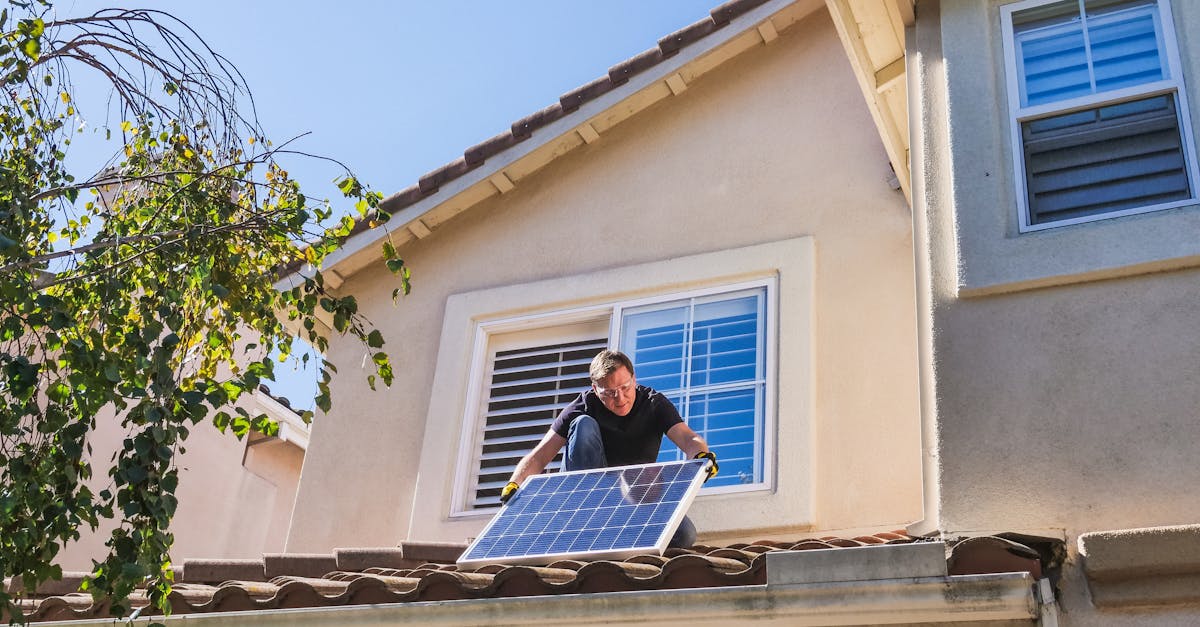
Integrating solar power into residential electrical systems presents numerous advantages for homeowners. Solar panels convert sunlight into electricity, providing a renewable source of energy that can reduce reliance on fossil fuels. This transition not only contributes to a lower carbon footprint but also significantly decreases monthly electricity bills. Additionally, many regions offer incentives, rebates, and feed-in tariffs, making solar power an economically appealing investment.
The benefits of solar power extend beyond financial savings. By harnessing this clean energy source, homeowners enhance their property's value and appeal. Solar installations can protect against rising electricity prices and provide energy independence. Moreover, energy generated from solar systems can often be stored or fed back into the grid, creating a more resilient and sustainable energy landscape for the community.
FAQS
Why is energy efficiency important in residential electrical installations?
Energy efficiency reduces energy consumption, lowers utility bills, and decreases the environmental impact of homes, making them more sustainable overall.
How can I tell if my home electrical system needs upgrading?
Signs that your home electrical system may need upgrading include frequent circuit breaker trips, flickering lights, outdated wiring, and inability to support modern appliances.
What factors should I consider when choosing energy-efficient appliances?
Consider the appliance's energy rating, size, features, and your specific needs. Look for appliances with high energy efficiency ratings such as ENERGY STAR labels.
How does insulation affect energy efficiency in homes?
Insulation helps maintain a consistent indoor temperature by reducing heat loss in winter and keeping cool air inside during summer, thus lowering the need for heating and cooling.
What types of insulation materials are available for residential use?
Common insulation materials include fiberglass, foam board, spray foam, cellulose, and mineral wool. Each has unique benefits, such as thermal resistance, soundproofing, and moisture control.
What are the benefits of integrating renewable energy sources in my home?
Integrating renewable energy sources, like solar power, can significantly reduce electricity costs, increase energy independence, and lower greenhouse gas emissions.
How can I effectively integrate solar power into my home?
You can integrate solar power through the installation of solar panels on your roof, utilising a solar inverter, and possibly adding a battery storage system to maximise energy use.
Are energy-efficient upgrades worth the initial investment?
Yes, while energy-efficient upgrades may require an upfront cost, they typically lead to long-term savings on energy bills and can increase the overall value of your home.
Related Links
Step-by-Step Guide to Planning Your Electrical InstallationInnovative Technology Trends in Residential Electrical Installations
How to Choose the Right Fixtures for Your Electrical Installations
Factors That Influence the Cost of Residential Electrical Installations
How to Ensure Compliance in Residential Electrical Installations