The Role of Safety Inspections in Preventing Electrical Fires
Table Of Contents
Qualified Professionals for Safety Inspections
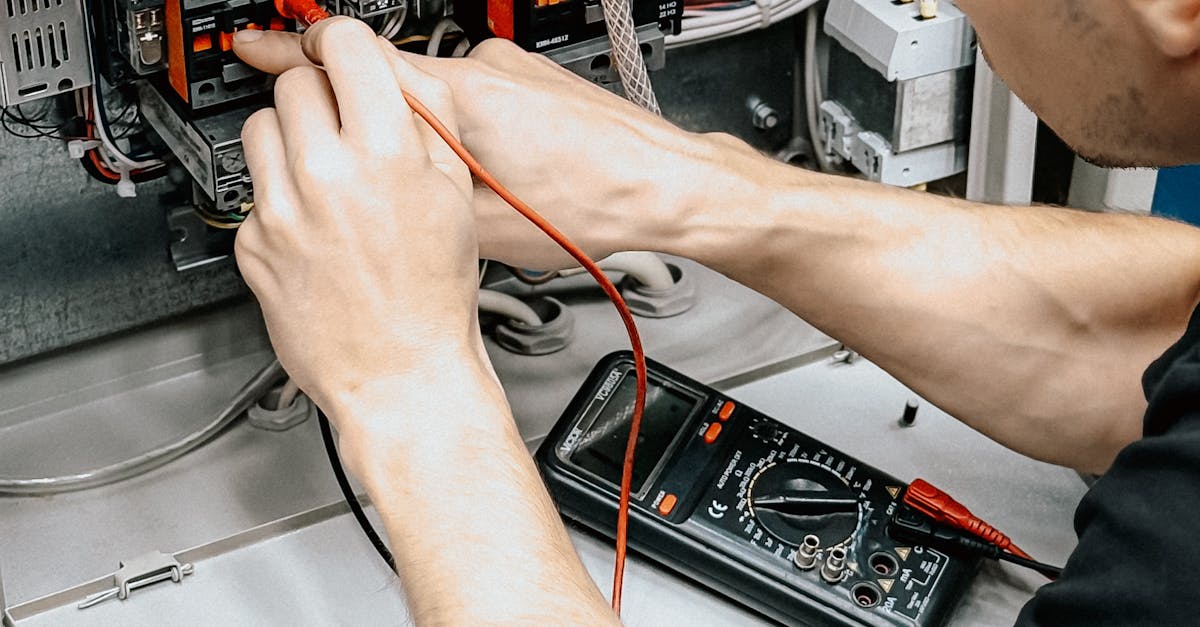
Ensuring that safety inspections are conducted by qualified professionals is crucial to the effectiveness of fire prevention measures. These experts possess the necessary training and experience to identify potential hazards that may not be visible to the untrained eye. They are adept at interpreting the specific electrical codes and compliance requirements relevant to various types of properties.
Choosing the right inspector can significantly influence the overall safety and reliability of your electrical systems. Opting for a licensed electrician with a strong background in safety inspections can provide assurance that any issues will be thoroughly addressed. In addition to possessing the appropriate certifications, a good inspector should have a track record of providing detailed assessments and recommendations tailored to the unique needs of each property.
Finding the Right Inspector
Choosing a qualified inspector is vital for ensuring thorough safety assessments of your electrical systems. Look for professionals who hold relevant certifications and have experience in the field. Online reviews and recommendations from trusted sources can provide insights into the inspector's reliability and expertise. It may also be beneficial to inquire about their previous projects, as hands-on experience can significantly affect the quality of their inspections.
Moreover, communication is key when selecting an inspector. A good inspector should not only perform detailed assessments but also clearly explain findings and recommended actions. They should be approachable and willing to answer any questions you have about the inspection process. Establishing a rapport can help you feel more comfortable discussing your electrical safety concerns and understanding the nuances of your home's requirements.
Frequency of Electrical Safety Inspections
Regular electrical safety inspections are crucial in maintaining a safe environment. Homeowners should aim for inspections at least every two years, especially in older properties or those with frequent electrical usage. Areas that experience high wear and tear, such as kitchens and outdoor spaces, may require more frequent assessments. These inspections help identify any potential hazards early, reducing the risk of electrical fires and ensuring compliance with safety standards.
For businesses, the frequency may vary based on the nature of operations and equipment used. High-demand industries or those with complex electrical systems often benefit from annual inspections. Increased inspection frequency not only enhances safety but also reassures employees and customers about the company's commitment to a secure environment. Understanding specific needs and risks associated with each property can guide the selection of the inspection schedule.
How Often Should You Schedule Inspections?
Regular inspections are vital for maintaining a safe electrical system. It is generally recommended to schedule safety inspections every three to five years for residential properties. However, factors such as the age of the wiring, frequency of electrical usage, and any recent renovations can influence this timeline. Homes with older systems may require more frequent checks to ensure ongoing safety.
For commercial properties, the frequency of inspections can vary based on the specific industry and regulations in place. High-risk environments, such as manufacturing facilities or warehouses, may necessitate annual inspections. In contrast, lower-risk offices might require inspections every two to three years. Staying proactive about inspection schedules can ultimately prevent serious hazards and extend the lifespan of electrical systems.
The Impact of Inspections on Insurance Coverage
Insurance providers often consider the maintenance of a property during the underwriting process. Regular electrical safety inspections demonstrate a proactive approach to risk management. Inspections may identify potential hazards, ensuring that property owners address issues before they escalate. This diligence can influence the terms and conditions of the insurance policy, potentially leading to lower premiums.
Having a record of inspections can serve as a vital element in substantiating claims. In cases where electrical fires occur, insurers may request proof of regular safety inspections. Properties with a documented history of compliance are generally viewed as lower risk, which can enhance the likelihood of claim approval. Therefore, investing in regular safety inspections not only contributes to fire prevention but may also impact insurance support favourably.
How Inspections Affect Your Policy
Conducting regular safety inspections can significantly influence your insurance policy. Insurers often look for evidence of proactive measures in maintaining a safe environment. A comprehensive inspection report demonstrates that you are addressing potential hazards and investing in safety, which can lead to favourable terms on your policy.
Inspections can also affect the premiums you pay. Policies may be less expensive for properties that regularly undergo checks and maintenance. Conversely, properties with a history of electrical issues may be subjected to higher premiums if inspections are neglected. Prioritising safety inspections could, therefore, not only prevent disasters but also provide financial benefits through reduced insurance costs.
FAQS
What is the role of safety inspections in preventing electrical fires?
Safety inspections play a crucial role in identifying potential electrical hazards, ensuring that wiring and equipment are up to code, and reducing the risk of electrical fires through early detection and remediation of issues.
How can I find a qualified professional for safety inspections?
To find a qualified professional, look for licensed electricians with experience in safety inspections, check their credentials, read reviews, and ask for recommendations from friends or family.
How often should I schedule electrical safety inspections?
It is generally recommended to schedule electrical safety inspections at least once every three to five years, or more frequently if you live in an older home, have experienced recent renovations, or notice any electrical issues.
Do safety inspections affect my insurance coverage?
Yes, safety inspections can impact your insurance coverage. Many insurance companies may offer discounts for properties that have undergone recent inspections, as they lower the risk of electrical fires and related claims.
What happens if my inspection uncovers issues?
If your inspection uncovers issues, the qualified inspector will provide a report detailing the problems found. It is important to address these issues promptly to ensure safety and compliance with electrical codes.
Related Links
Choosing the Right Electrician for Compliance Inspections in AdelaideCommon Safety Hazards Found During Electrical Inspections
Key Compliance Regulations for Residential Electrical Systems
How Safety Inspections Contribute to Home Insurance Policies
The Consequences of Ignoring Electrical Safety Inspections